






Gain Therapeutics, Inc. reports promising results from its Phase 1 trial of GT-02287, a novel therapy for GBA1 Parkinson’s disease. The study indicates the therapy is safe and well-tolerated, enhancing GCase enzyme function, which is pivotal in combating the disease’s progression.

Meet Gain Therapeutics’ New Chief Medical Officer: Dr Jonas Hannestad, MD, PhD

Explore the innovative world of Gain Therapeutics in this engaging fireside chat held by Lou Basenese and Jeb Terry at the recent Public Ventures Discovery Day event. Delve into how we are revolutionizing the treatment of neurodegenerative diseases, including Parkinson’s, with our next-generation Magellanᵀᴹ platform. Gain harnesses AI and physics-based methods to develop best-in-class small molecules for disorders with high unmet medical needs. Hear about the significant strides we’ve made from current Board Member and former Gain CEO Eric Richman. A must-watch for those interested in the intersection of biotechnology, AI, and healthcare advancements.
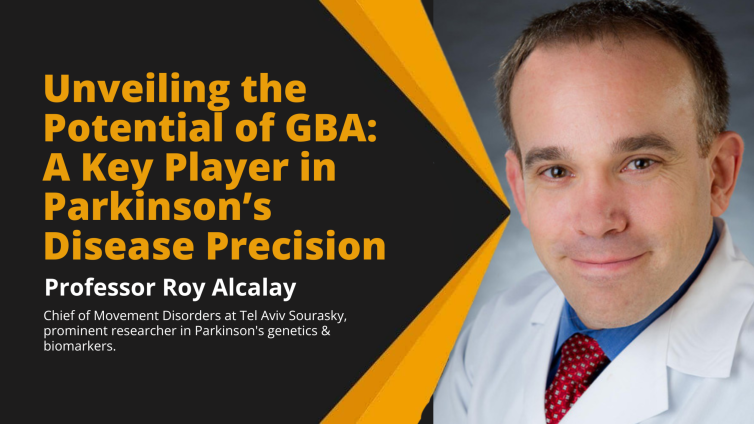
Analyzing data from Genome Wide Association Studies (GWAS) and drawing from the insights of the PD GENEration Study, Dr. Alcalay unveils the significance of glucocerebrosidase (GBA) mutations in Parkinson’s. Discover why GBA emerges as a prime target for therapeutic interventions, offering hope for tailored treatments and improved patient outcomes.
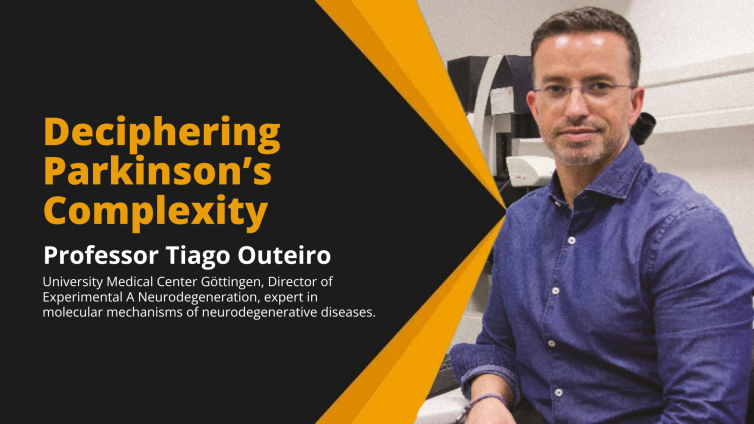
Professor Outeiro provides an in-depth exploration of Parkinson’s disease from the perspective of a seasoned basic scientist. Covering topics ranging from disease complexity and classification to emerging biomarkers and therapeutic strategies, he delves into the intricacies of Parkinson’s research, highlighting the challenges faced by scientists and clinicians alike.