According to a study by the BMJ Today, there will be 25.2 million people living with Parkinson’s disease globally. This a direct 112% increase from 2021. Statistics reveal that many people are going to be affected by the disease in the coming future.
Being told you have Parkinson’s disease can feel overwhelming. The first thing that comes to mind is what to do after being diagnosed with Parkinson’s? How to manage Parkinson’s disease long-term? It’s not easy to deal with slow changes in your body, which will ultimately affect your daily life.
To make this more complex, people with Parkinson’s experience different symptoms at different times as the disease progresses.
You might have suspected having Parkinson’s for months or received the news of a diagnosis unexpectedly. Either way, it’s normal to have questions, concerns, and even fears about the future.
This guide is designed to help you understand exactly what to do after being diagnosed with Parkinson’s. You’ll also learn what to expect after Parkinson’s diagnosis and how to build a Parkinson’s care plan after diagnosis.
How is Parkinson’s Disease Diagnosed?
Before diving any further into the topic, First, let’s quickly understand how Parkinson’s disease is diagnosed.
Parkinson’s disease is diagnosed clinically, based on a person’s medical history, symptoms, and neurological exam, rather than a single test. Doctors might use MRI scans, DaT scans, or blood tests to rule out other conditions, but these do not confirm Parkinson’s.
Generally, early diagnosis is challenging, so people with Parkinson’s are often referred to a movement disorder specialist for a more accurate assessment. To diagnose Parkinson’s, you must have bradykinesia (slowness of movement) along with at least one symptom such as resting tremor, muscle stiffness, or balance problems.
These criteria help ensure a reliable and structured diagnosis. Now, let’s understand what steps you need to follow after being diagnosed with Parkinson’s.
Step 1: Understand Your Diagnosis
Always remember that a Parkinson’s diagnosis doesn’t define you. Approximately 1.1 million Americans are living with Parkinson’s disease (PD). Despite the disease, many of them are living full and meaningful lives. Medical advancements are able to manage symptoms effectively, and lifestyle changes can help in various ways. First, let’s understand what to expect after Parkinson’s diagnosis.
What to Expect After Parkinson’s Diagnosis
First and foremost, understand that Parkinson’s disease is a progressive neurological condition. It means it will affect your movement, coordination, mood, and cognitive skills. However, this progression varies from one person to another. Many people experience mild symptoms for years, while others might see changes more quickly.
A typical early-stage experience may include:
- Tremors in one hand or limb
- Stiffness or slowness of movement
- Subtle balance changes
- Mild voice or facial expression changes
No need to be scared of these early signs, as these can be managed. In fact, catching the disease in early stages often means you can start symptom-relief treatments sooner. The sooner you can start your treatment, the better it is for you.
Why Understanding the Condition Helps
Knowledge reduces fear. It’s important to know and understand what’s happening in your body. Doing so will allow you to efficiently manage your symptoms and make confident choices. Informed patients often experience greater control, resilience, and peace of mind.
If you properly learn about Parkinson’s disease, then you can:
- Anticipate changes
- Track progression
- Actively engage in managing Parkinson’s disease after getting a diagnosis
Step 2: Schedule a Follow-Up Appointment With a Movement Disorder Specialist
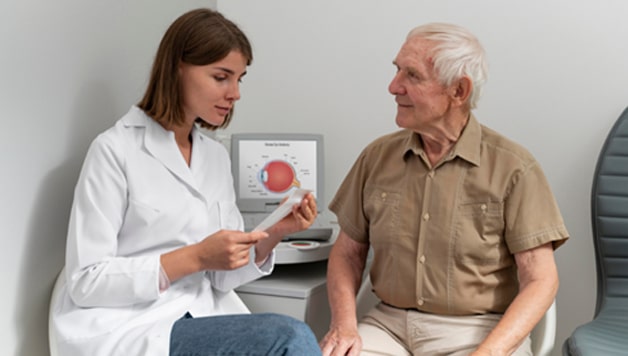
The next step after understanding your initial diagnosis is to schedule a follow-up appointment. You should confirm your care with a movement disorder specialist, a neurologist with advanced training in Parkinson’s. Here’s why you need a specialist:
Why You Need a Specialist
A specialist can:
- Accurately assess symptom progression
- Tailor medication plans
- Recommend targeted therapies
- Offer access to clinical trials
- Coordinate your long-term Parkinson’s care plan after diagnosis
It is advised that you have a highly experienced clinician guide your early management. This will help you make a confident long-term plan to manage your symptoms.
Questions to Bring to Your Appointment
Now that you understand why you need a specialist. Here are some suggested questions that you should ask your specialist. Prepare a list that may include:
- What stage of Parkinson’s am I in?
- What symptoms should I expect in the next year or two?
- What lifestyle changes would help right now?
- Which medications are recommended and why?
- Are there clinical trials I may qualify for?
Don’t hesitate to ask whatever doubts you may have in your mind. It is important to get early clarity as it reduces uncertainty and helps you feel more in control.
Step 3: Learn About Your Treatment Options
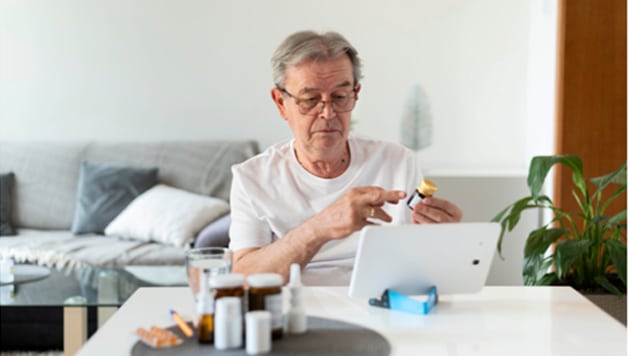
The third part of understanding how to manage Parkinson’s disease is learning about the treatments available to you. Currently, there is no cure, but that is no reason to get disheartened. Many therapies and medications can significantly improve the quality of life. The section below highlights various treatment options that will support you after a Parkinson’s disease diagnosis.
Common Parkinson’s Medications
Understanding your medications is important. There are several medication types designed to increase or replace dopamine in the brain. These medicines also help in reducing tremors, stiffness, and movement difficulties. Some of these are:
- Carbidopa-levodopa
- Inhaled levodopa
- Carbidopa-levodopa infusion (Duopa)
- Dopamine agonists
- Monoamine oxidase B (MAO B) inhibitors
- Catechol O-methyltransferase (COMT) inhibitors
- Anticholinergics
- Amantadine (Gocovri)
- Adenosine receptor antagonists (A2A receptor antagonists)
- Pimavanserin (Nuplazid)
The right medication for you will depend on several factors. Your neurologist will recommend a personalized medication plan after considering the parameters below:
- Age
- Symptoms
- Side-effect tolerance
- Lifestyle
- Disease progression
Rehabilitation therapies
Rehabilitation therapies are an important part of the early steps to take after a Parkinson’s disease diagnosis. These therapies will help people with Parkinson’s gain strength, mobility, and independence over time. Some of these therapies are:
- Physical therapy improves gait, balance, flexibility, and coordination. It includes individualized exercise programs.
- Occupational therapy will help you with daily activities and make everyday tasks easier and safer
- Speech therapy is important for addressing voice changes, communication issues, and swallowing issues
It is advised to begin these therapies soon after diagnosis. The sooner you start, the better you will be able to manage your symptoms in the long term.
Surgical Options
If symptoms can no longer be controlled with medications alone, then neurologists may recommend a patient for surgery. Some patients are recommended to opt for Deep Brain Stimulation (DBS).
The surgery involves implanting electrodes into specific brain areas to regulate abnormal signals. If you’re advised to go for surgery, then there is nothing to be scared of. Be calm and ask your neurosurgeon about how soon you’ll recover post-surgery. DMS can significantly improve tremors, stiffness, and motor fluctuations.
Alternative and Complementary Therapies
Many newly diagnosed people are advised to explore complementary therapies. These therapies can also be included in your schedule later in life. These alternative therapies support overall well-being alongside traditional medical treatment. Some of these are:
- Yoga
- Tai Chi
- Massage
- Acupuncture
- Music or dance therapy
- Art therapy
Remember that these alternative therapies are not replacements for medical care. They can improve the overall quality of life when used consistently along with your medications or medical treatment plan.
Step 4: Build a Personalized Parkinson’s Care Plan After Diagnosis

This section will talk about the Parkinson’s care plan after diagnosis. Make sure to have a well-written care plan. It will help you track symptoms, appointments, and medications. You can also better align your therapy goals and lifestyle adjustments as your symptoms change.
Your plan should include the following components:
- Diagnosis details and symptom timeline
- Medication list and schedule
- Exercise goals and physical therapy instructions
- Nutrition guidance
- Support group contacts
- Mental health strategies
- Emergency information
A well-structured Parkinson’s care plan brings clarity and direction to your daily life after diagnosis. Create this plan with your neurologist so you can be organized and have coordinated care.
Step 5: Adopt Lifestyle Changes to Support Long-Term Wellness

Lifestyle plays a major role in Parkinson’s disease management after diagnosis. Small yet sustainable habits can make a huge difference in how you feel day to day. Some of the major lifestyle changes are highlighted in the section below.
Exercise: Your Most Powerful Tool
Exercise is your most powerful tool. It is one of the most beneficial steps you can take after diagnosis.
Regular physical activity can:
- Slow symptom progression
- Improve balance and coordination
- Reduce stiffness
- Boost mood
- Give you a better sleep quality
- Support brain health
Recommended exercises include:
- Walking
- Cycling
- Strength training
- Pilates
- Swimming
- Light gym exercises
Most experts recommend aiming for at least 150 minutes of moderate exercise per week. However, you can change the duration as per your comfort. Make sure to start with light walking or exercise and don’t strain your body. You can also explore various other visual and coordination exercises as per your symptoms.
Nutrition for Parkinson’s
Nutrition is equally important after being diagnosed with Parkinson’s. There’s no universal “Parkinson’s diet”. However, an anti-inflammatory and nutrient-rich diet will surely help you feel your best.
You should focus on:
- Fruits and vegetables
- Lean proteins
- Whole grains
- Omega-3 rich food
- Adequate hydration
You can make a diet plan after consulting with your caregiver or dietician. Ask them about any specific food that might not suit your medication plan. For instance, if you take levodopa, your doctor may advise timing protein intake to avoid interference with absorption.
Sleep and Stress Management
Finally, don’t overlook sleep and stress management. Sleep issues are common during the early stages of diagnosis and will make you feel irritated or moody. Helpful strategies include:
- Consistent sleep routines
- Limiting caffeine after noon
- Meditation
- Cognitive behavioral therapy (CBT) for stress or anxiety
- Gentle nighttime stretching
As your symptoms evolve, you may also need to adapt your home to make daily routines safer and more comfortable.
Step 6: Find Emotional and Psychological Support
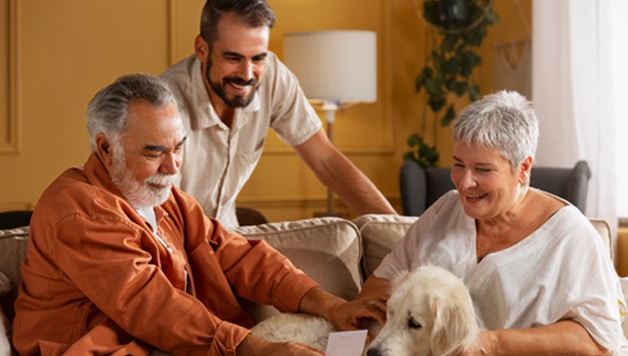
Receiving a Parkinson’s diagnosis affects far more than physical health. It can trigger a wide range of emotions. Therefore, it is equally important to address your emotional and mental well-being. Let’s understand why and where you should seek emotional support.
Many newly diagnosed individuals often experience:
- Anxiety
- Sadness or grief
- Uncertainty about the future
Some worry about their independence and work. At the same time, others fear how a Parkinson’s diagnosis will impact their relationships with their loved ones. These feelings are completely normal. Openly talk about your feelings and what you’re experiencing.
Talking about your feelings will reduce isolation and help you adapt. This is also an area where Parkinson’s caregivers can help their loved ones by offering emotional reassurance. Let’s understand why and where you should seek emotional support.
Involve Your Family and Close Friends in Your Care Process
Parkinson’s diagnosis will not only impact you but also your entire support network. Include your family and close friends in your care process. It will help everyone understand what’s happening in your life and prepare for the future. Open and honest communication will prevent misunderstanding and allow your loved ones to support you more effectively.
Let your loved ones know:
- Your symptoms
- Your medication schedule
- What kind of help may be needed
- What changes to expect in the future
You may also invite your loved ones to join you at medical appointments for extra support. It will also help them learn from your specialists and strengthen your long-term care circle.
Join Support Groups
You can also join a support group. These groups provide:
- A safe place to share experiences
- Education about treatment
- Emotional encouragement
- Tips for daily living
- Social connection
Many support groups also offer online meetings for convenience. You may join them whenever you feel comfortable and want to share your thoughts.
Counseling or Therapy
You may also opt for professional therapy, which can also be transformative. In this, you will be talking with a licensed counselor or psychologist. They can help you with:
- Processing your diagnosis
- Managing stress and mood changes
- Strengthening relationships
- Building coping strategies
Under professional therapies, Cognitive Behavioral Therapy (CBT) is often involved and is found to be quite helpful. It will help you with reshaping your negative thoughts. It will also teach you to build practical coping strategies that support long-term emotional well-being.
Step 7: Stay Hopeful and Informed
Don’t lose hope after being diagnosed with Parkinson’s. Parkinson’s research is progressing faster than ever before. Scientists are meticulously researching various therapies and medications that offer breakthrough new hope for long-term management.
Clinical trials are going across the U.S., which are giving promising results and new approaches like GT-02287 to slow down Parkinson’s progression and improve daily function. You should also stay informed about ongoing research and check if anyone in your family has neurodegenerative diseases, as these have been linked to Parkinson’s.
Plan your future, but don’t rush anything. Many people continue working and living independently for years after diagnosis. Make sure to follow self-care tips for Parkinson’s disease to improve your quality of life.
Closing Thoughts
If you’re wondering what to do after being diagnosed with Parkinson’s, remember that you’re not alone. You have many options and treatment plans to feel better. Follow this Parkinson’s diagnosis guide to navigate Parkinson’s with strength, clarity, and hope.
FAQS
- What should I do first after being diagnosed with Parkinson’s?
The first step in understanding what to do after being diagnosed with Parkinson’s is to meet with a movement disorder specialist. They’ll explain what to expect after Parkinson’s diagnosis and outline early treatment options. The specialist will also help you begin creating a personalized Parkinson’s care plan after your diagnosis for long-term well-being.
- How can a Parkinson’s diagnosis guide help me manage symptoms?
A structured Parkinson’s diagnosis guide helps you track symptoms, medications, and lifestyle changes. It outlines important Parkinson’s disease steps after diagnosis and supports informed decision-making. Using a guide helps simplify Parkinson’s management after diagnosis and keeps your care organized.
- What kind of support is available after a Parkinson’s diagnosis?
You can access many forms of Parkinson’s disease diagnosis support. For instance, you can take the help of neurologists and physical therapists. You can also opt for counselors and support groups. These resources help you understand how to manage Parkinson’s disease and adjust to symptoms.
- How do I create a strong Parkinson’s care plan after diagnosis?
To create a strong Parkinson’s care plan after your diagnosis, include medications, exercise, and goals. You must also make notes of your nutrition intake, therapy schedules, and safety adjustments. Work with your specialist to map out steps to follow after a Parkinson’s disease diagnosis. Remember to update the plan regularly as symptoms evolve.
- What lifestyle changes help manage Parkinson’s long-term?
To manage Parkinson’s long-term, include regular exercise and balanced nutrition in your lifestyle. You should follow stress and sleep management practices. These habits support long-term health and clarify how to manage Parkinson’s disease daily.